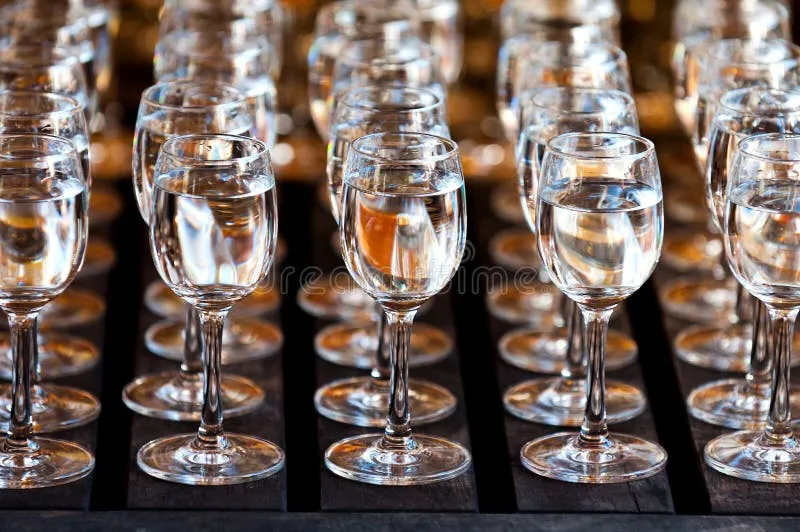
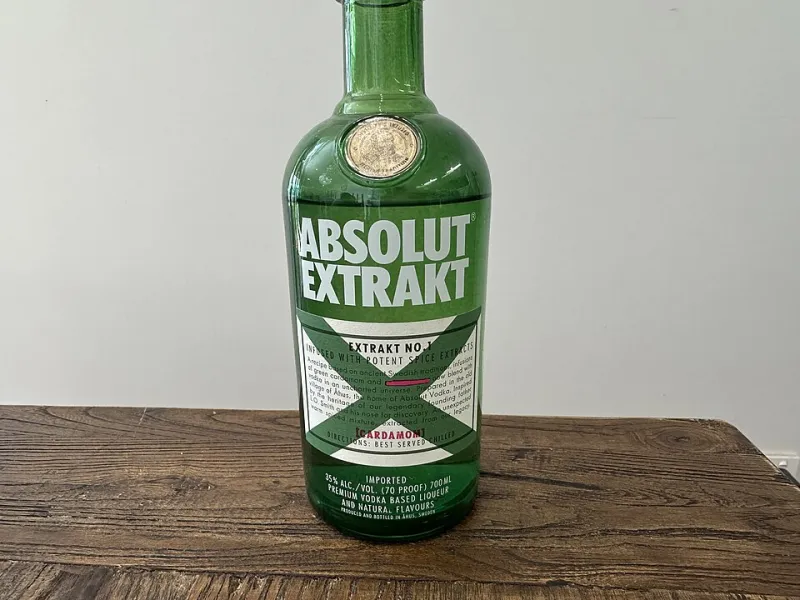
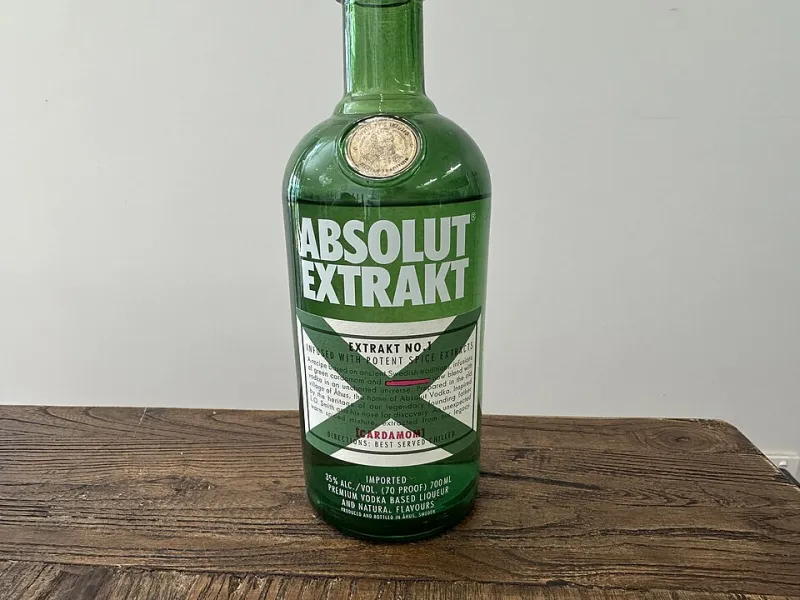
Vodka Is Taking Back the Throne — and the Numbers Back It Up
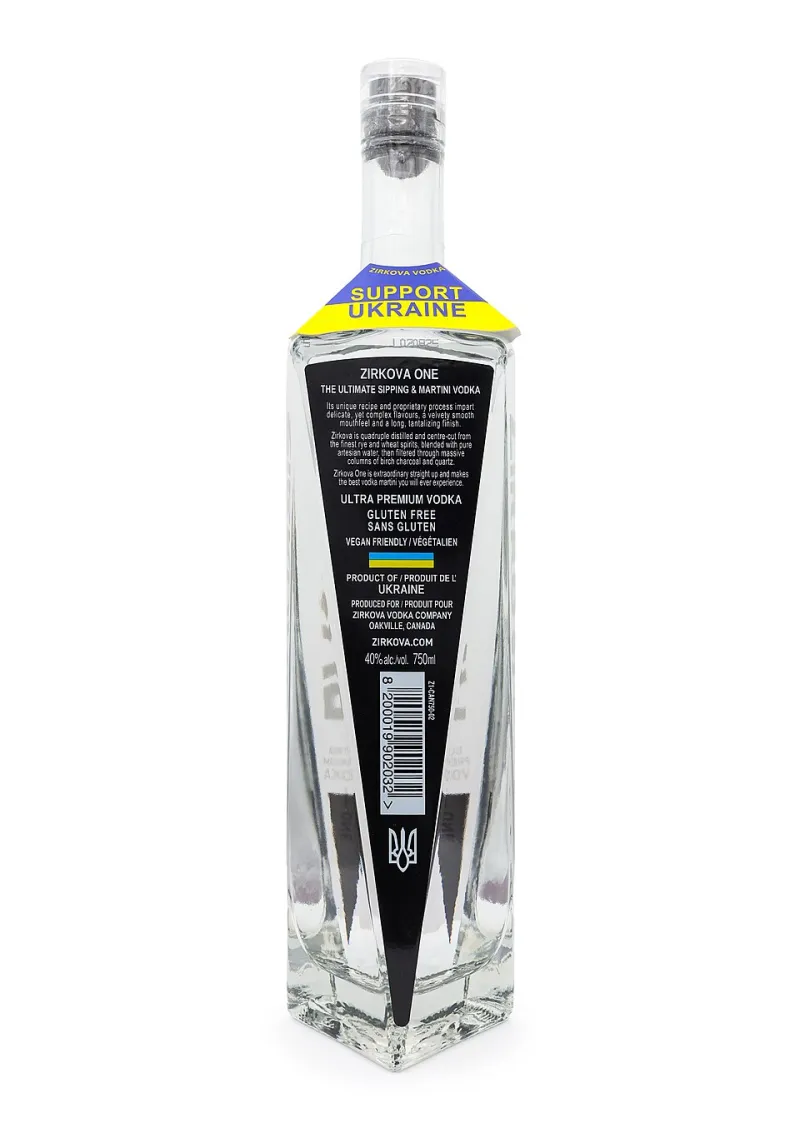
Photo: Chris Woodrich, Public domain, via Wikimedia Commons
For a hot minute there, vodka got a bad reputation in certain circles. The craft cocktail renaissance of the 2010s had bartenders and spirits enthusiasts falling hard for aged whiskeys, botanical gins, and smoky mezcals. Vodka — once the undisputed king of the American bar — got quietly pushed to the side, branded as "boring" or "flavorless" by the same people who should've known better.
That era is over.
Premium vodka is coming back loud, and this time it's not just riding nostalgia. It's backed by real numbers, a new generation of creative drinkers, and a bar community that's finally ready to give the spirit its proper due.
The Data Doesn't Lie
According to the Distilled Spirits Council of the United States (DISCUS), vodka remains the best-selling spirit category in the country by a significant margin — but what's changed is where those sales are happening. The real story isn't volume. It's value.
Premium and ultra-premium vodka segments have seen consistent year-over-year growth, even as overall spirits consumption has leveled off post-pandemic. Translation: people aren't drinking more vodka — they're drinking better vodka. That's a meaningful shift. It signals that consumers aren't just grabbing whatever's on sale. They're making intentional choices, treating their home bar like an extension of their personal brand.
At the same time, whiskey — which dominated the "prestige pour" conversation for years — is facing its own growing pains. Barrel shortages, inflated secondary market prices, and a glut of mediocre releases have left a lot of enthusiasts feeling burned. Some of that energy is flowing straight back into vodka, where quality is more consistent, aging isn't a factor, and a great bottle doesn't require a waitlist.
Why Bartenders Are Paying Attention Again
Talk to any serious mixologist working a high-volume craft program right now, and you'll hear a version of the same thing: vodka is actually one of the hardest spirits to work with well, and that challenge is becoming interesting again.
The myth that vodka is flavorless has always been lazy thinking. A well-made premium vodka has texture, mouthfeel, a distinct finish, and subtle character that changes depending on its base ingredient and distillation process. Grain vodkas drink differently than potato vodkas. Column-distilled reads differently than pot-still. These nuances matter — especially when you're building a cocktail where the spirit needs to carry the drink rather than hide behind it.
Bartenders are leaning into that. There's a growing movement around what some in the industry are calling "vodka-forward" cocktail design — drinks where the spirit isn't just a neutral delivery mechanism but an active flavor contributor. Think clean, precise builds where the vodka's natural minerality or subtle sweetness actually shapes the drink's identity. The Espresso Martini's explosive comeback is just one data point. So is the renewed interest in proper Martini culture, where premium vodka is increasingly the requested base over gin.
The Home Bar Effect
The pandemic changed how Americans drink at home, and those habits didn't fully reverse when restaurants reopened. Home bartending became a legitimate hobby — and serious hobbyists don't settle for mediocre ingredients.
Premium vodka benefits enormously from this shift. It's versatile, approachable, and plays well across a wider range of cocktail styles than almost any other spirit. Someone who's just getting into home cocktailing isn't going to start with a peated Scotch. But they might reach for a quality vodka that works in a Spritz, a Martini, a Mule, or a simple soda highball — all from the same bottle.
That accessibility at the entry point, combined with real depth for those who want to explore it, is exactly why premium vodka is built for this moment in American drinking culture.
The Craft Conversation Has Caught Up
For years, "craft vodka" felt like a contradiction in terms to a certain type of spirits snob. Craft was supposed to mean aged, complex, terroir-driven. Vodka — by regulatory definition in the US — is required to be "without distinctive character, aroma, taste, or color." How do you build a craft identity around that?
American distillers figured it out. They leaned into process transparency, ingredient sourcing, and regional identity. A craft vodka from the Pacific Northwest made from locally grown winter wheat carries a story. A small-batch potato vodka from the Midwest has a sense of place. These narratives resonate with the same consumers who care about where their coffee beans come from and which farm raised their beef.
The result is a craft vodka segment that now commands serious shelf space and serious price points — and earns both.
What This Means for How You Pour
The vodka comeback isn't just a trend for industry insiders to track. It has real implications for how you stock your bar, what you order when you're out, and how you think about building a cocktail.
If you've been defaulting to whiskey or gin as your "serious" spirit while keeping a mid-shelf vodka around for guests who don't know better — it might be time to reconsider that hierarchy. Premium vodka deserves a spot at the top of your back bar, not as an afterthought.
The best bottles offer something that aged spirits often can't: clarity. When a vodka is made well, it's honest. There's nowhere to hide. No barrel influence to smooth over rough edges, no heavy botanicals to redirect your attention. What you're tasting is pure craft — the quality of the base ingredient, the precision of the distillation, the care in the finishing process.
That's not boring. That's confidence.
The Throne Was Never Really Empty
Vodka never stopped being the most consumed spirit in America. It just stopped being the most talked about one. Now, with premium segments growing, craft producers earning genuine respect, and a new generation of drinkers who didn't absorb the old snobbery, the conversation is catching up to reality.
The spirit that built the modern American cocktail bar isn't making a comeback. It's reclaiming what was always its — one well-made pour at a time.
And honestly? It's about time.