Train Your Tongue: A No-Nonsense Guide to Developing a Real Vodka Palate
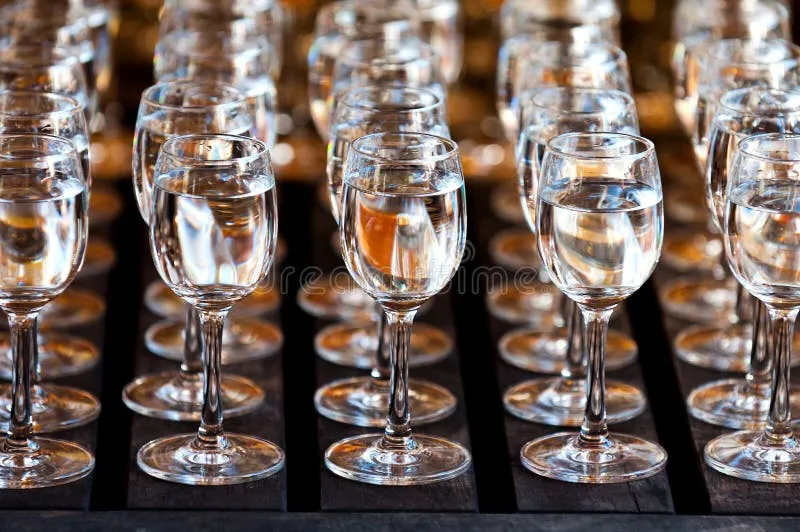
Photo: vodka tasting flight glasses on wooden table home setting, via thumbs.dreamstime.com
Here's something the spirits world doesn't advertise loudly enough: tasting vodka well is a learned skill, not a genetic gift. Sommeliers didn't come out of the womb identifying grain profiles. Bartenders didn't just wake up one day knowing the difference between a soft, creamy finish and a sharp, peppery one. They practiced. They paid attention. And honestly? You can do the same thing in your own kitchen on a Friday night.
Building a vodka palate isn't about memorizing tasting notes from some dusty manual. It's about slowing down, getting curious, and giving your senses a real workout. Once you start, you'll never look at a bottle the same way again.
Start With a Clean Slate — Literally
Before you pour a single drop, set yourself up for success. Your environment matters more than you think. Strong food smells, cologne, even a scented candle nearby can muddy what your nose picks up. Find a neutral space, drink a glass of room-temperature water, and if you've eaten recently, a plain unsalted cracker does a solid job of resetting your palate between pours.
Temperature is another factor most people skip entirely. Straight from the freezer, vodka goes quiet — the cold suppresses aromatic compounds and numbs your tongue just enough to flatten the experience. For a real tasting, go with a bottle that's been chilled but not frozen, somewhere around 40–50°F. You'll be surprised how much more there is to pick up.
Glassware matters too. Ditch the shot glass for this exercise. A small wine glass or a tulip-shaped tasting glass concentrates aromas toward your nose as you bring it to your lips. That small shift changes everything.
The Nose Knows: Start Smelling Before You Sip
Swirl your glass gently and bring it to your nose — but don't bury your face in it. Start about an inch away and take a slow, easy inhale. What's your first impression? Grain? Something almost sweet? A faint floral note? A light citrus edge?
Now move the glass closer and try again. The aromas that emerge at different distances often tell different stories. Vodka made from wheat tends to carry a softer, slightly sweet profile. Rye-based spirits often have a subtle spice. Potato vodkas can feel earthy and round. Corn-based options sometimes bring a gentle sweetness that's almost reminiscent of a light bourbon without the oak.
Don't worry if you're not nailing specific descriptors yet. Start broad: Is it sharp or soft? Warm or cool? Familiar or unusual? Your vocabulary will grow naturally the more you practice.
Take the Sip Slowly — and Let It Move
When you finally take that first sip, resist the urge to swallow immediately. Let the vodka sit on your tongue for a few seconds. Roll it around. Notice where you feel it most — the tip of your tongue, the sides, the back of your throat? Each zone picks up different sensations: sweetness at the front, bitterness at the back, salt and acid along the sides.
Mouthfeel is one of the most underrated aspects of vodka tasting. Is the texture thin and watery, or does it have a certain viscosity — that slightly silky, almost oily quality that coats your mouth? Higher-quality spirits often have what tasters describe as "weight" or "body," a sense that there's something substantial in the glass beyond just alcohol.
Finally, pay attention to the finish. What lingers after you swallow? A clean, quick exit is its own kind of quality. A long, warming finish that evolves through spice, sweetness, or something almost mineral is another. Neither is inherently better — it's about understanding what you're experiencing and whether it appeals to you.
Set Up a Blind Tasting at Home
This is where things get genuinely fun. Grab two or three bottles — mix price points and base ingredients if you can — and have a friend pour them into identical glasses without telling you which is which. Number the glasses and taste each one using the process above.
Jot down your impressions as you go. Don't overthink it. Write down whatever comes to mind, even if it sounds weird. "Smells like a warm bakery" or "tastes like fresh rain on concrete" are both valid observations. Flavor memory is deeply personal and often rooted in experiences that are uniquely yours.
After you've gone through all the glasses, compare notes and then reveal what was in each one. You'll almost certainly surprise yourself. A lot of people find that their favorite in a blind tasting isn't the one they assumed they'd pick — and that's kind of the whole point. Removing labels and price tags forces you to trust your own senses.
Build a Flavor Vocabulary That Actually Makes Sense
The language of spirits tasting can feel intimidating, but it doesn't have to be. A few useful categories to start with:
- Texture: thin, medium-bodied, silky, creamy, sharp
- Aroma: grainy, floral, citrus, herbal, earthy, sweet, neutral
- Taste: clean, peppery, sweet, bitter, savory, mineral
- Finish: short, long, warming, cooling, dry, smooth
Keep a simple tasting journal — even a notes app on your phone works — and log your impressions after each session. Over time, patterns emerge. You start to notice that you consistently gravitate toward spirits with a softer mouthfeel, or that you love a clean, short finish in a cocktail but prefer something with more depth when you're sipping neat. That kind of self-knowledge is genuinely useful every time you're standing in front of a back bar or browsing a liquor store shelf.
There's No Wrong Answer Here
The most important thing to remember throughout all of this is that developing a palate is about discovering what you like — not about arriving at some objectively correct conclusion. The spirits world has a bad habit of making people feel like their preferences need to be validated by an expert. They don't.
If you love Killer Queen Vodka over something that costs twice as much, that's not a gap in your education. That's your palate doing exactly what it's supposed to do. The goal of all this tasting practice isn't to become a walking encyclopedia of tasting notes. It's to drink with intention, to understand what you're experiencing, and to make choices that genuinely reflect your taste.
That, more than anything, is what it means to reign over every pour.