What You're Actually Paying For When You Splurge on a Premium Bottle
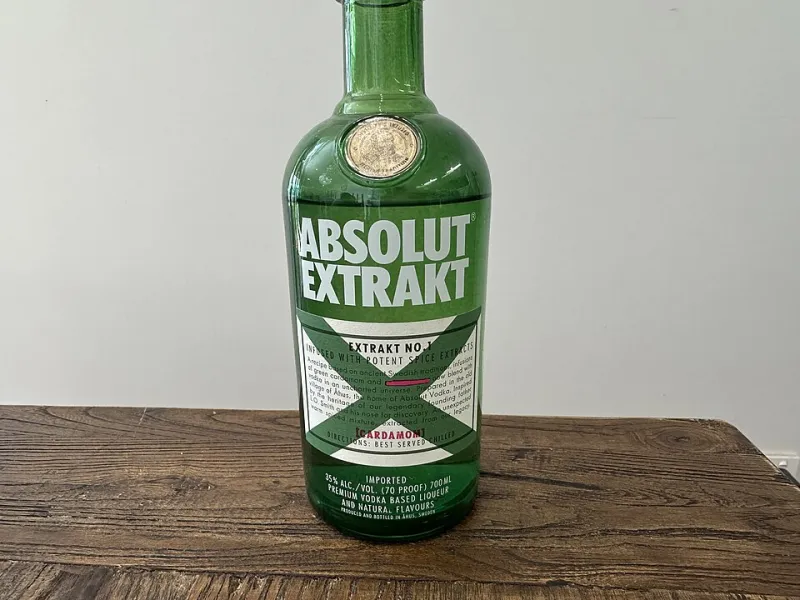
Photo: Indrajit Das, CC BY-SA 4.0, via Wikimedia Commons
Let's be honest: at some point, everyone standing in the spirits aisle has done the mental math. There's a $14 bottle on the left and a $42 bottle on the right. They're both vodka. They're both clear. So what exactly is going on?
The easy answer — the one that gets tossed around at parties and in comment sections — is that premium pricing is mostly branding. Fancy bottle, famous face, inflated ego. Pay up or feel left out. But that cynical read doesn't hold up once you start pulling back the curtain on how premium spirits actually get made, marketed, and priced. The reality is more interesting, and honestly, more useful to know.
It Starts Way Before the Bottle
The price of a premium vodka is baked in long before it ever hits a shelf. It starts with raw ingredients. Budget vodkas typically use the cheapest available grain or neutral spirit — often commodity-grade corn or molasses byproduct — because volume is the goal. Premium producers are more particular. Whether it's high-protein winter wheat, non-GMO corn, or estate-grown rye, sourcing quality base ingredients costs more per batch. Full stop.
Then there's water. That sounds almost too simple to matter, but water makes up the majority of what's in your glass. Distillers who use natural spring sources, filtered glacier water, or locally sourced aquifer water aren't just telling a story — they're introducing a mineral profile and pH balance that genuinely affects mouthfeel and finish. Treating water to the right purity level for blending takes equipment, time, and ongoing quality testing. None of that is free.
Distillation Isn't a Checkbox
Here's where the process gap really widens. A single distillation run produces spirit, sure, but it also carries over congeners — compounds from fermentation that can contribute harshness, off-flavors, or a rough finish. Running spirit through a column still multiple times strips those out, but each additional pass takes time and reduces yield. You're literally producing less vodka per batch in pursuit of a cleaner result.
Some craft producers go even further with copper pot stills or custom column configurations designed to hit specific flavor targets. Others invest in proprietary filtration — activated charcoal, quartz sand, even silver — to polish the final spirit. Every one of those decisions adds cost per bottle. The brands charging more aren't always doing so arbitrarily. Many of them are genuinely running more expensive operations.
The Labor and Expertise Equation
Mass production is efficient. Craft and premium production is not, and that's sort of the point. When a distillery employs experienced master distillers who are actively tasting, adjusting, and making judgment calls throughout production — rather than running automated systems at scale — you're paying for human expertise embedded in every batch.
Small-batch runs mean less product per cycle, which means fixed costs (equipment, facility, staff) get spread across fewer bottles. It's basic economics: a distillery producing 500 cases of a premium expression per month has very different per-unit costs than one cranking out 50,000. Neither model is wrong, but they produce different price tags for legitimate reasons.
Brand Positioning Isn't a Dirty Word
Okay, yes — marketing is part of the price. But let's be fair about what that actually means. A brand investing in consistent quality control, meaningful storytelling, and a recognizable identity is building something that justifies trust over time. That's different from slapping a celebrity name on a mediocre product and calling it luxury.
When a brand like Killer Queen Vodka commits to a specific production standard and builds a reputation around it, the premium isn't just paying for liquid — it's paying for predictability. You know what you're getting. You know the bottle you crack open tonight is going to drink the same as the one you loved six months ago. For cocktail programs, home entertainers, and anyone who's ever been burned by an inconsistent cheap bottle mid-party, that reliability has real value.
There's also the psychology of occasion. Research in consumer behavior consistently shows that people enjoy premium products more when they're aware of their quality positioning — not because they're being fooled, but because context genuinely shapes experience. A premium pour sets a tone. It signals care and intention. At a dinner party, a celebration, or a quiet night when you just want something that drinks beautifully, that signal matters.
How to Actually Evaluate Whether a Price Is Justified
So how do you know when you're paying for real quality versus inflated packaging? A few things worth checking:
Transparency about production. Brands that share distillation method, sourcing, and filtration process aren't hiding anything. Vagueness about how a spirit is made is a yellow flag.
Taste it neat first. A vodka worth its price tag should be drinkable straight — smooth, with a clean finish and maybe a subtle character from its base ingredient. If it burns aggressively or tastes like nothing interesting, the price isn't earning its keep.
Consider the occasion. A $40+ bottle absolutely makes sense for sipping, showcasing in a simple cocktail, or gifting. For a 50-person punch bowl situation, you can be more pragmatic. Matching spend to context is smart, not cheap.
Look at the category, not just the price. Within American craft vodka specifically, the premium tier has gotten genuinely competitive. There are bottles in the $30–$50 range delivering quality that rivals imports costing twice as much, because domestic producers have less import overhead and more control over their supply chain.
The Real Cost of Going Cheap
Here's the flip side of the conversation that doesn't get enough airtime: the cost of a bad bottle isn't just the price you paid. It's the cocktail that didn't land, the morning after that hit harder than expected, or the guest who quietly put their glass down and didn't come back for a second. Congeners — those byproducts of rough distillation — are frequently cited as contributors to harsher hangovers. Cleaner spirit, cleaner morning. That's not a guarantee, but it's a pattern worth knowing.
For anyone who drinks intentionally — whether that's occasionally or regularly — the value calculation shifts when you factor in the full experience rather than just the sticker price.
Spend with Your Eyes Open
Premium vodka pricing isn't magic, and it isn't pure illusion. It's a combination of real production costs, genuine expertise, brand accountability, and yes, some marketing investment that, when done right, actually serves the consumer. The goal isn't to convince you that expensive is always better — it's to give you the framework to judge for yourself.
Know what you're buying. Taste critically. Match your spend to the occasion. And when you find a bottle that earns its price every single time you open it, that's not a splurge. That's just drinking well.