Chill Factor: The Art and Science of Serving Vodka at the Perfect Temperature
You spent real money on a quality bottle. You found the right glass. You even remembered to stock the good ice. But here's the thing — if you're not thinking about temperature, you're leaving the best part of that vodka on the table. Or worse, in the freezer at the wrong setting.
Temperature isn't a footnote in the vodka story. It's the whole chapter. And once you understand how dramatically cold — or the wrong kind of cold — shapes what you actually taste, you'll never treat it as an afterthought again.
Why Cold Does What It Does
Vodka is mostly water and ethanol, but that simplicity is deceptive. Even the cleanest, most precisely distilled spirit carries trace compounds — congeners, fatty acids, residual grain characteristics — that express themselves differently depending on thermal conditions. When vodka is served too warm, ethanol vapors hit the nose first and hard, creating that sharp, almost medicinal impression that makes casual drinkers wince.
Lower the temperature and something shifts. Cold suppresses the volatility of ethanol, meaning those harsh aromatic compounds don't rush at you before you've even taken a sip. What emerges instead is the softer, rounder texture underneath — the subtle sweetness, the faint mineral quality, the clean finish that good vodka is actually built around.
This isn't a trick or a workaround. It's chemistry working in your favor.
The Freezer Debate: Friend or Foe?
Ask a group of vodka drinkers about the freezer and you'll get a heated argument — which is ironic, given the subject. The conventional wisdom says freeze it and forget it. The contrarian take says freezing kills nuance. Both sides are partially right, and the truth is more interesting than either camp admits.
A standard home freezer runs between 0°F and 5°F. At that range, vodka doesn't actually freeze — its alcohol content keeps it liquid — but it does get almost syrupy in texture, which many people love for neat sipping. The viscosity created at those ultra-low temperatures can make a pour feel luxurious in a way that's genuinely satisfying.
The downside? If you're drinking a vodka with real character — one where the distiller put thought into grain selection or water source — extreme cold can mute those distinctions almost entirely. You lose the nuance along with the harshness.
The sweet spot for most premium vodkas meant to be appreciated neat or in spirit-forward cocktails is somewhere between 32°F and 39°F — cold enough to tame the ethanol edge, warm enough to let the spirit's personality breathe. That's closer to a well-chilled refrigerator than a deep freeze.
Cocktail Context Changes Everything
Here's where it gets more layered: the ideal temperature for vodka isn't a single number. It depends entirely on what you're making.
Neat pours and simple serves — think vodka on the rocks or a classic vodka soda — benefit most from that 33°F to 39°F window. The spirit is the star, so you want enough cold to smooth it out without burying the character you paid for.
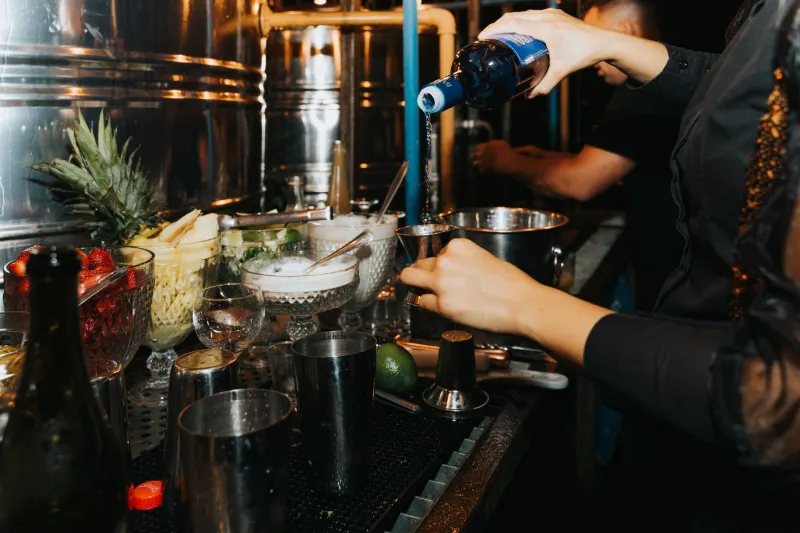
Shaken cocktails like a vodka martini or a Cosmopolitan actually want to be colder, and the dilution from shaking over ice is part of the equation. A proper shake drops the temperature of the drink significantly, often landing around 20°F to 25°F by the time it hits the glass. That's why shaking technique matters — under-shake and you serve something lukewarm and unbalanced; over-shake and you dilute the flavor into submission.
Stirred cocktails — a vodka martini purist's preference — aim for a slightly warmer result than a shaken version, typically in the high 20s Fahrenheit. Stirring chills without the aeration of shaking, preserving a silkier texture and a more cohesive flavor profile.
Spicy, citrus-forward, or heavily garnished drinks are more forgiving because the other ingredients carry more of the flavor load. But don't get lazy — starting with properly chilled vodka still matters for balance.
The Ice Situation
Ice isn't just a cooling mechanism. It's an ingredient. And the quality, size, and temperature of your ice directly affects how well your temperature control strategy actually works.
Warm ice — cubes that have been sitting out or partially melted — dilutes faster and chills less efficiently. You end up with a watery cocktail that's still not cold enough. Not a great trade.
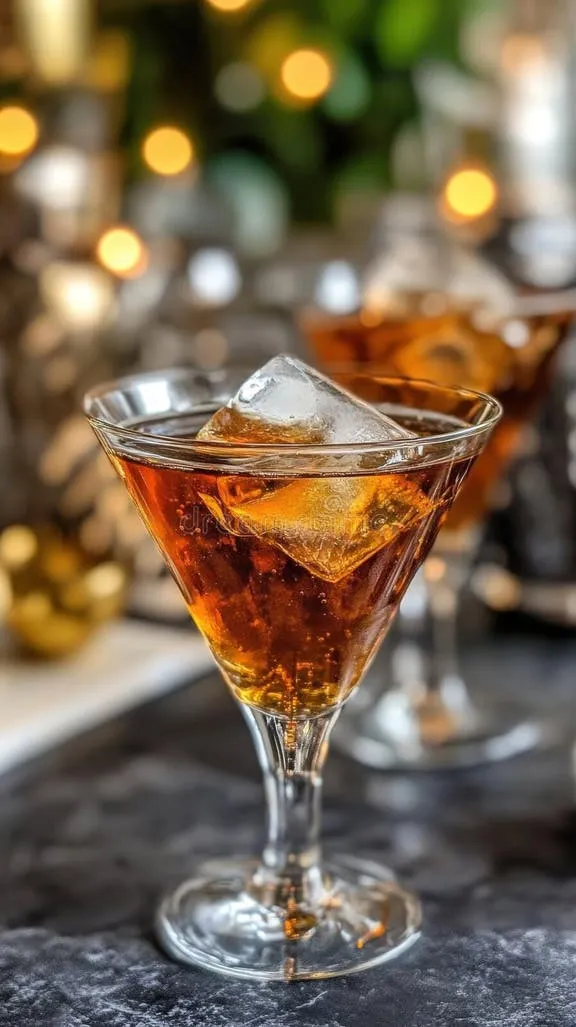
Large format ice (the big square cubes or spheres you see in craft cocktail bars) melts slower, keeping your drink cold longer without drowning the flavor. For a neat pour on the rocks, one large cube is often the move. For shaking, you want plenty of standard cubes — surface area drives the chill.
If you're serious about this stuff, keep your ice in the back of the freezer where it stays consistently cold and doesn't absorb freezer odors. Yes, ice absorbs smells. No, you don't want your vodka martini tasting like last week's leftovers.
Glassware Is Part of the Temperature Equation
A room-temperature glass undoes your work almost immediately. Pour a well-chilled vodka into a warm coupe and you've got maybe two minutes before the drink climbs several degrees. That's not a lot of runway.
The fix is simple: keep your glasses in the freezer for at least 15 minutes before serving, or fill them with ice water while you prep the drink, then dump it out right before the pour. Either method buys you significantly more time in the ideal temperature range — and it's the kind of detail that guests notice even if they can't articulate why the drink feels better.
Why This Is a Connoisseur Move, Not a Snob Move
There's a version of the temperature conversation that sounds precious and exhausting — the kind of thing that makes people feel judged for enjoying a vodka soda at a backyard cookout. That's not the point.
The point is that temperature control is one of the easiest, lowest-cost ways to dramatically improve your drinking experience. It doesn't require expensive equipment or a bartender's training. It requires knowing a few numbers, planning a little ahead, and caring enough about the pour to get it right.
Killer Queen Vodka is built around the idea that premium drinking is about intention, not pretension. You buy a quality bottle because you want the experience to be worth it. Temperature is how you make sure it is.
So go ahead — adjust that freezer setting, chill the glasses, respect the ice. The throne is in the details.