The Person Behind the Pour: Why Your Bartender Knows Your Next Favorite Vodka Better Than You Do
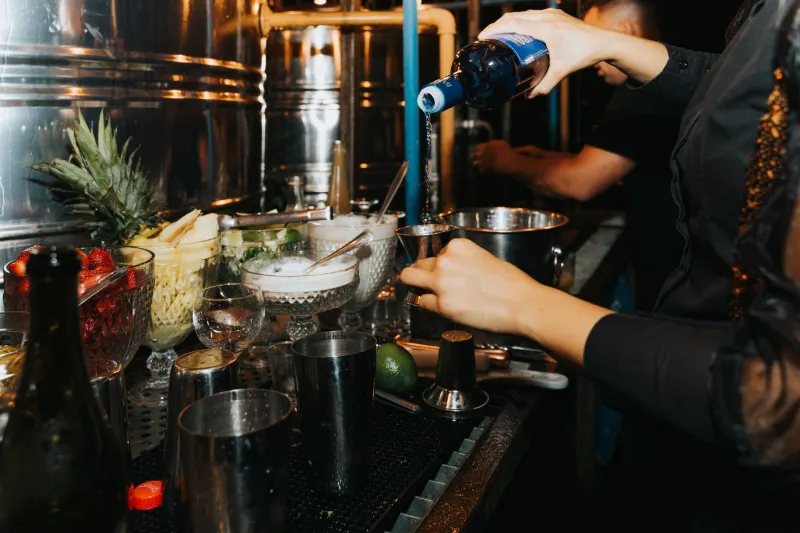
There's a moment that happens at good bars all across the country. You sit down, scan the back shelf, feel mildly overwhelmed, and then — almost involuntarily — you look at the bartender and say, "What do you recommend?"
That question is worth more than most people realize.
The person on the other side of that bar isn't just mixing drinks. They've tasted dozens of bottles you've never heard of, built a working vocabulary around flavor profiles most drinkers couldn't articulate, and spent years quietly developing a point of view about what's worth your time and money. They're not a sommelier in the traditional sense, but the role they play is increasingly similar — and when it comes to premium vodka specifically, their influence on what Americans are drinking is more significant than any marketing campaign.
The Back Bar Is a Classroom
Ask any experienced bartender how they learned their craft, and the answer almost never starts with a textbook. It starts with a mentor — usually an older bartender or a bar manager who handed them something to taste and said, "Tell me what you notice."
That mentorship culture is alive and thriving behind American bars, and it's producing a generation of spirits professionals who approach vodka the way a serious chef approaches salt: not as a given, but as a choice with real consequences.
"Most people think vodka is vodka," says one veteran bartender who's worked high-volume programs in both Chicago and New York. "My job, in a way, is to prove them wrong — one glass at a time. Once someone tastes the difference between a neutral grain spirit and something that actually has character and texture, they don't go back."
This kind of hands-on education happens constantly, quietly, across bars in every major US city. Distributors bring in new bottles. Bar managers run staff tastings. Bartenders trade notes the way music fans trade playlists. The back bar, in other words, is less a shelf and more a living curriculum.
Why Bartenders Trust Their Palate Over the Label
Here's something the spirits industry doesn't always like to say out loud: a beautiful label and a well-funded marketing budget don't automatically translate to a great pour. Bartenders know this better than anyone.
After tasting enough bottles, you start to develop what some in the industry call the separation — the ability to distinguish between what's been packaged well and what's been made well. Premium vodka that earns a bartender's loyalty does so through consistency, texture, and how it behaves in a build. Does it hold up in a shaken cocktail without going harsh? Does it have enough body to carry a simple serve? Does it taste clean without tasting like nothing?
These are the questions a label can't answer. A bartender can.
"I've poured expensive bottles that I'd never recommend to a guest, and I've recommended mid-shelf bottles that consistently outperform," says a mixologist based in Nashville who specializes in spirit-forward cocktail programs. "My credibility is on the line every time I make a suggestion. That keeps me honest in a way that advertising can't."
That accountability is exactly what makes a bartender's recommendation so valuable. They don't have a financial stake in pushing any particular brand — they have a reputational stake in making sure you enjoy your drink.
The Ripple Effect on Consumer Habits
Here's where it gets interesting from a broader cultural standpoint. When a bartender recommends a vodka to a guest, that guest doesn't just drink it once. If they love it, they ask for it by name the next time. They mention it to friends. They look for it at a liquor store. They post about it. One thoughtful recommendation has a reach that compounds in ways that are hard to measure but impossible to ignore.
This is the vodka sommelier effect — the way trusted expertise at the point of service reshapes purchasing habits far beyond the bar itself. It's not a new phenomenon, but it's accelerating as consumers grow more sophisticated and more skeptical of traditional advertising.
American drinkers, particularly in the 25-40 demographic, are increasingly seeking out products that come with a story and a stamp of approval from someone they trust. A bartender at their favorite spot qualifies in a way that a celebrity endorsement simply doesn't. The recommendation feels earned, personal, and real.
What It Takes to Build That Kind of Trust
Becoming the kind of bartender whose suggestions guests actually follow isn't just about tasting a lot of spirits, though that's certainly part of it. It's about developing the communication skills to translate what you're tasting into language that means something to the person in front of you.
A guest who describes themselves as someone who "doesn't really like vodka" is giving you information. A bartender who knows their back bar can respond to that — maybe steering toward something with a subtle sweetness, or a particularly silky mouthfeel, or a clean finish that doesn't linger the wrong way. That kind of translation requires both sensory fluency and genuine curiosity about the person you're serving.
"I ask a lot of questions before I make a recommendation," says a bar director in Los Angeles who's built her program around what she calls intentional pours. "What are you in the mood for tonight? What did you drink last time that you loved? What do you usually avoid? The answer to those questions tells me more than any flavor wheel."
This approach — consultative, curious, guest-centered — is what separates a great bartender from someone who's just filling glasses. And it's exactly the kind of expertise that turns a casual drinker into a genuinely informed one.
The Label Isn't the Story Anymore
For premium vodka brands that are serious about their craft, this shift in consumer behavior is actually good news. Because when the conversation moves away from which bottle has the flashiest packaging and toward which bottle actually delivers, quality wins.
The brands earning loyalty in bars across the country right now aren't necessarily the ones with the biggest ad budgets. They're the ones that taste right, pour consistently, and give bartenders something genuine to talk about. A vodka with real character — one that reflects the care that went into making it — gives a bartender a story to tell. And a story told by someone a guest already trusts is worth more than any shelf placement.
At Killer Queen Vodka, we've always believed that the best ambassador for a great bottle is the person who pours it with conviction. Not because they were told to, but because they tasted it and decided it was worth recommending.
Next time you're at a bar and someone you respect slides a glass in front of you and says, "Try this" — pay attention. That moment is the result of a lot of tasting, a lot of learning, and a genuine desire to make your night better.
That's not just service. That's craft.