Stop Ordering the Second-Cheapest Vodka: A Better Way to Choose

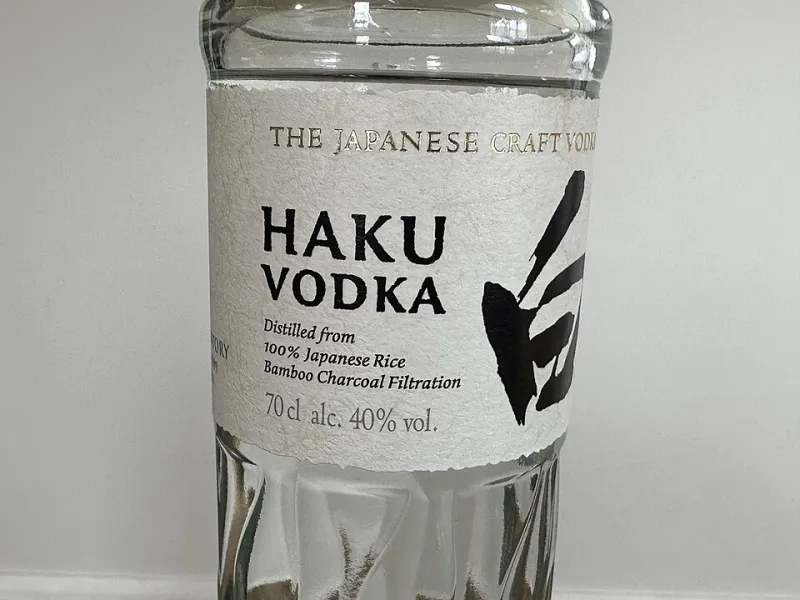
Photo: Slaia, CC BY-SA 4.0, via Wikimedia Commons
Watch a group order drinks at a nice bar and you will see a small act of self-protection. Eyes scan the vodka list, skip the top shelf, skip the bottom, and land on the second-cheapest bottle. It is not a choice made from desire. It is a choice made from fear. Fear of looking cheap. Fear of looking wasteful. Fear of ordering something bad. The second-cheapest bottle is the safe answer to a question nobody asked out loud.
It is also a habit that shortchanges everyone in the transaction.
The menu is designed to steer you
Price lists are not neutral. They are arranged to make certain bottles look reasonable. The top entry anchors the list. A $60 vodka makes a $22 vodka feel sensible. The cheapest bottle is a decoy; most people avoid it because it signals bottom-shelf. The second-cheapest option is the restaurant’s quiet sweet spot, the bottle that feels like a compromise between taste and budget.
There is nothing wrong with a budget. The problem is letting the menu make the decision for you. If you are going to spend money on a drink, you deserve to know why you chose it.
What the habit signals
To a bartender, the second-cheapest order can look like a guest who is price-first and a little nervous. That is not a crime. Bartenders are in the business of reading people, and they will happily pour what you ask for. But they also have a wealth of information they would rather share. They know which vodka is mixing well tonight, which bottle is a quiet value, and which one is overpriced for what is in the glass.
To yourself, the habit signals something else: you are outsourcing taste to a price tier. You are not asking what you actually like. You are asking what is safe. That is a small loss every time you order.
The real cost of the safe choice
The second-cheapest bottle is often fine. That is the trap. Fine is not memorable. Fine does not teach you anything. You can spend years ordering the same safe pour and never learn whether you prefer a peppery grain vodka, a creamy potato vodka, or something crisp and clean with a citrus edge.
You also miss the chance to build a relationship with a bartender. The best bar experiences happen when you say, “I like this style—what would you pour?” That question opens a door. The second-cheapest order closes it.
A better script for ordering
You do not need to become a spirits expert to order well. You need a sentence or two that puts taste first and price second.
Try: “I’m in the mood for something crisp and clean—what vodka would you pick for a martini?”
Or: “I usually drink vodka sodas. If I wanted to try something with a little more character, what would you recommend?”
Or: “I’d like to stay around $15 a pour. What’s the best option at that price?”
That last one is important. Budget is not shameful. Being vague about money is what makes people default to the second-cheapest bottle. If you name a range, the bartender can work with it. You get a recommendation instead of a guess.
A tasting-first framework
When you look at a vodka list, run through four questions before you look at the price.
First, what style do you want? Crisp and clean, creamy and soft, peppery and bold, or fruity and aromatic. Second, what is it made from? Grain, potato, corn, and grape all bring different textures. Third, how are you drinking it? A martini, a spritz, and a neat pour call for different things. Fourth, do you want a bottle that disappears into a cocktail or one that stands on its own?
Price is the fifth question, not the first. If two bottles fit your style and your budget, ask the bartender which one they would choose. If Killer Queen Vodka is on the list, ask for it by name and see how it fits your answer. If it is not, use the framework anyway. The point is to order the vodka you actually want, not the one the menu nudged you toward.
How to break the habit at home
The same psychology shows up at liquor stores. Shoppers reach for the second-cheapest bottle on the shelf because it feels responsible. Try buying two small bottles in different styles instead of one large bottle you are unsure about. Taste them side by side. Take a note on your phone. Ask the clerk what they would buy if they were spending their own money.
You will learn more from one comparison than from a year of safe choices.
The point is not to spend more
Breaking the second-cheapest habit does not mean ordering the most expensive vodka on the menu. It means making a decision instead of accepting a default. Sometimes the second-cheapest bottle is exactly right. Sometimes the best value is the third bottle from the top. Sometimes it is the one the bartender mentions with a little enthusiasm.
The next time you order, ask one question before you point. “What would you pour?” It is a small act of curiosity. It is also how you stop paying for the safe answer and start drinking something you actually remember.