What Actually Happens to Vodka After You Break the Seal
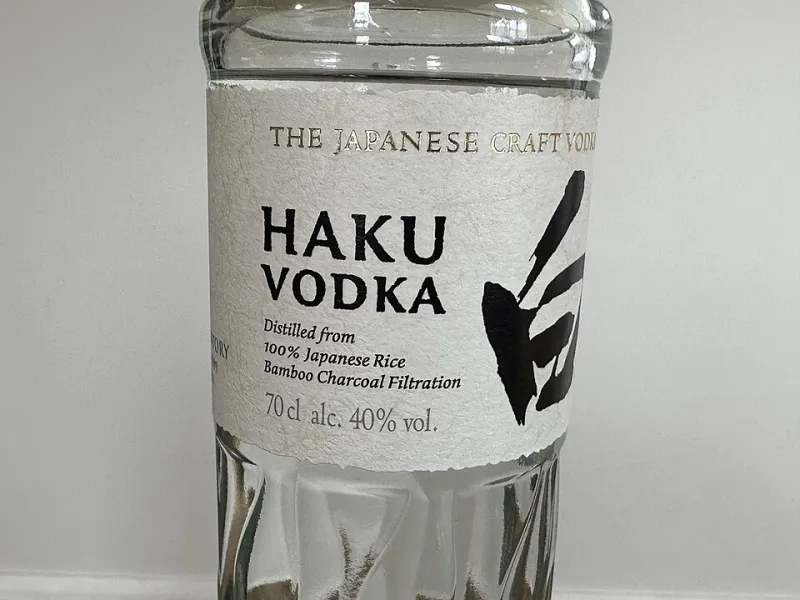
Photo: Indrajit Das, CC BY-SA 4.0, via Wikimedia Commons
Every home bar has one: the bottle you opened for a party, capped loosely, and pushed to the back of a cabinet. Months later, you wonder if it is still good. The short answer is yes—vodka does not spoil the way food does. But the longer answer is more useful. What happens after you break the seal is not expiration. It is slow, preventable drift.
Vodka is a distilled spirit, usually around 40% alcohol by volume. That strength is hostile to bacteria and mold, which is why you do not need to treat an open bottle like leftover dairy. The date on the label, if there is one, is not a safety deadline. It is a quality cue at best. The real variables are light, heat, oxygen, and how you store the bottle between pours.
The expiration date is not the story
A sealed bottle of vodka is remarkably stable. Glass is inert, the cap keeps air out, and the alcohol level protects the liquid. An open bottle is still stable, but it is no longer in a time capsule. Oxygen begins interacting with trace compounds. Alcohol slowly evaporates. Dust, odors, and sunlight get a chance to join the party.
That does not mean the vodka is dangerous after six months. It means the edges may soften. A clean, crisp vodka can start to taste a little flat or dull. Flavored expressions are more vulnerable because the added ingredients—citrus peel, vanilla, fruit—have their own shelf lives. If you are storing a flavored vodka, think in months, not years. For unflavored vodka, think about preserving what you paid for.
Light and heat are the real troublemakers
Sunlight is the most common mistake. UV light can degrade organic compounds in the spirit and create off notes. A bottle sitting on a sunny windowsill or a shelf beside a bright lamp is not aging gracefully. It is fading. Heat is the other quiet saboteur. A cabinet above the stove, a radiator, or a garage that swings from cold to hot forces the liquid to expand and contract, which encourages evaporation and can make the cap seal less reliable.
The fix is boring, which is why people ignore it: store vodka in a dark, cool cabinet away from direct sun and major heat sources. You do not need a wine cellar. A lower kitchen cabinet or a closed bar cart works. If your only option is a bright shelf, keep the bottle in its box or move it into a cabinet. Killer Queen Vodka is made to taste clean and precise; a few feet of shade helps it stay that way.
The freezer question
Putting vodka in the freezer is a ritual for a reason. Cold vodka feels smoother and suppresses some of the alcohol heat. But freezing is not a magic preservation trick. A standard freezer will not freeze 40% vodka solid, but it can mute aromatics and make the texture feel thicker. It also creates condensation on the bottle, which is harmless but messy.
If you like your vodka ice-cold, chill it before serving rather than storing it there permanently. A couple of hours in the freezer is fine. A permanent home in the freezer is not necessary. And if you are drinking Killer Queen neat or in a martini, you want the spirit cold but not so cold that you cannot taste it.
Oxygen, decanters, and the half-empty bottle
Oxygen is slower to damage vodka than wine, but it is not nothing. The more empty space in a bottle, the more air is in contact with the liquid. A half-full bottle that sits for a year will taste less vibrant than a fresh one. That is not a reason to panic. It is a reason to buy sizes you will actually finish and to keep the cap tight.
Decanters are lovely and terrible for long-term storage. A pretty glass vessel on a sunny bar cart exposes vodka to light and air. If you want to decant for a dinner party, do it the night of. Then pour the leftovers back into the original bottle. Keep the original cap, too. A tight seal matters more than a stylish stopper.
Myths that deserve to be retired
Vodka does not expire in the food-safety sense. It does not need to be refrigerated after opening. It does not improve with age. A decanter does not make it better. And a dusty bottle is not a badge of honor. The useful rules are simple: keep it dark, keep it cool, keep it capped, and do not store it next to cleaning supplies or strong spices. Glass does not seal forever, and odors can travel.
Finally, use your senses. If an open bottle smells harsh, tastes flat, or has a strange aroma, it is probably past its best. That is not a safety crisis. It is a signal to finish the bottle soon, mix it into a batch cocktail, or replace it. Vodka is durable, but it is not invincible. A little care keeps every pour closer to the first one.