The New Social Contract: How Premium Vodka Is Rewriting the Rules of American Nightlife
Not long ago, the standard move at any bar worth its sticky floor was simple: call a vodka soda, don't ask too many questions, and keep the night moving. The spirit in the glass was almost beside the point. What mattered was the vibe, the crowd, the playlist. The vodka? Just fuel.
That mentality hasn't just softened — it's practically gone. Across American cities, something quieter but more significant is happening. People are paying attention to what's actually in their glass, and they're making choices that reflect a whole new set of values around how they socialize, spend, and celebrate.
Call it the premiumization of the pour. Call it the death of the well drink era. Whatever you name it, the shift is real, it's accelerating, and it's changing nightlife culture from the inside out.
From Volume to Value
The old model of nightlife drinking was essentially transactional. You bought rounds, you kept pace, and the quality of the spirit was rarely part of the conversation. The goal was quantity — a good time measured in drinks per hour rather than experience per sip.
What's replaced that? Hospitality professionals across the country will tell you the same thing: today's drinkers, especially younger, more affluent consumers in the 25-to-40 bracket, are drinking less overall but spending significantly more per occasion. They're not trying to get through a night — they're trying to elevate one.
"We've watched our vodka sales shift dramatically over the last three or four years," says one bar director at a well-regarded cocktail lounge in Chicago. "The volume brands are still there, but the conversation at the bar has completely changed. People want to know what they're drinking. They're asking about the base ingredient, the distillation process. That wasn't happening five years ago."
Industry data backs this up. Premium and ultra-premium vodka segments have been among the fastest-growing categories in American spirits retail, even as overall alcohol consumption has plateaued or declined in certain demographics. The dollars are moving upward, and they're staying there.
The Intentional Drinker Has Arrived
Sociologists who track consumer behavior have a phrase for what's happening here: mindful consumption. It's the same impulse that pushed people toward farm-to-table dining and small-batch coffee — a desire to understand and connect with what you're putting in your body, and to feel good about the choice you're making.
For vodka specifically, this shift has been particularly striking because the spirit spent decades being marketed almost entirely on its neutrality. The pitch was always: it's clean, it's versatile, it doesn't get in the way. But that same quality that made vodka the default mixer also made it feel disposable.
Premium labels changed the conversation by giving consumers something to actually care about — the source grain, the water, the filtration method, the distillery's story. When a bottle has a genuine narrative behind it, it stops being a commodity and becomes something worth seeking out.
This is exactly the space where a brand like Killer Queen Vodka operates. It's not just about what's in the bottle; it's about what choosing that bottle says — about your taste, your standards, and the kind of experience you're trying to create for yourself and the people around you.
Home Gatherings Are the New VIP Room
One of the most interesting dimensions of this cultural shift isn't happening in bars at all. It's happening in living rooms, on back patios, and around kitchen islands where people are hosting with a level of intentionality that used to be reserved for professional venues.
The pandemic accelerated this hard. When bars closed, people who cared about quality drinking had to bring the experience home — and many of them discovered they actually preferred it. They could control the glassware, the ice, the garnishes, the music, the whole environment. They could open a genuinely excellent bottle and share it with people who would appreciate it.
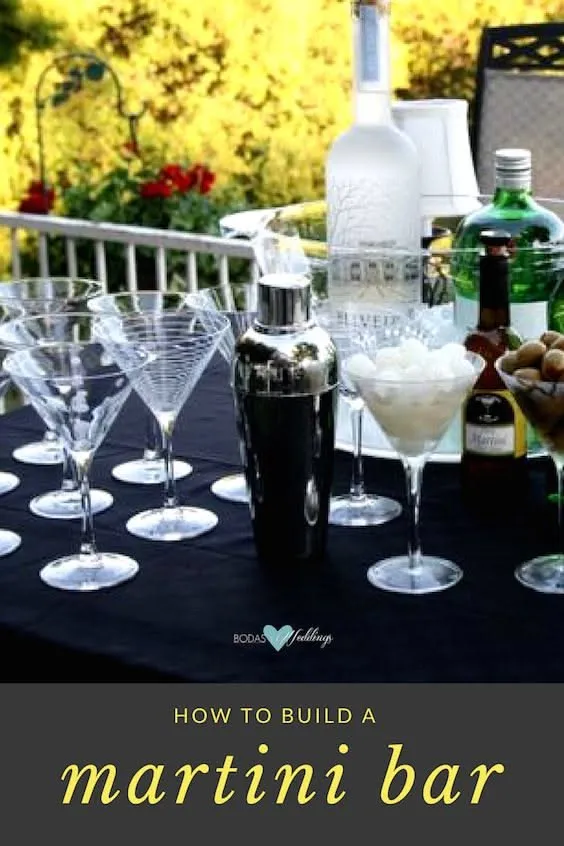
That behavior didn't disappear when venues reopened. It evolved into a parallel culture of elevated home entertaining where the bottle on the counter is a deliberate statement. Mixologists who consult for private clients say demand for premium spirits guidance has grown substantially, with hosts increasingly wanting help building home bar programs that reflect real expertise rather than just a collection of whatever was on sale.
"My clients aren't buying top-shelf vodka to impress people — or at least that's not the main driver anymore," one New York-based beverage consultant noted. "They're buying it because they've developed actual preferences. They know the difference. And once you know the difference, it's hard to go back."
The Venue Side of the Story
For bars and restaurants navigating this landscape, the premiumization wave has created both opportunity and pressure. Venues that have leaned into curated spirits programs — with staff trained to speak knowledgeably about what they're pouring — report stronger per-guest revenue and higher customer loyalty.
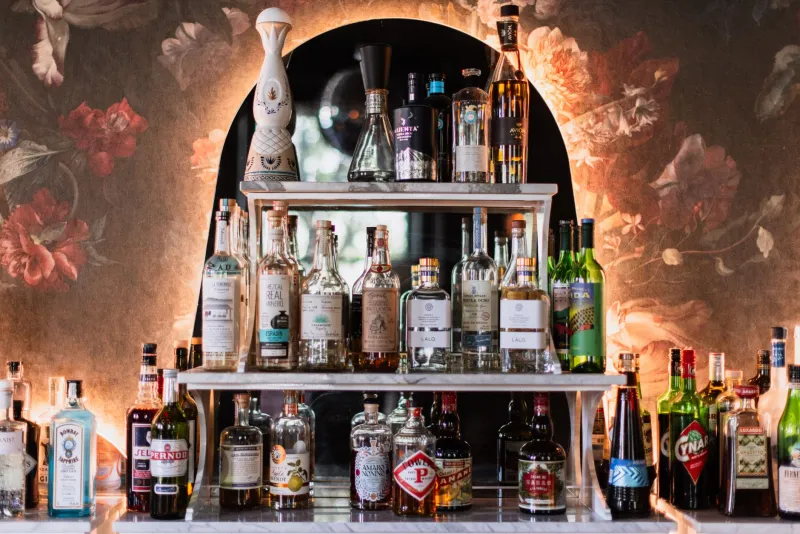
The cocktail menu itself has become a branding exercise. Upscale spots in cities like Miami, Austin, Los Angeles, and New York are increasingly built around specific spirit partnerships, with house cocktails that showcase a single premium vodka rather than rotating through whatever the distributor is pushing that quarter. It creates a more cohesive identity and gives bartenders something to genuinely champion.
For mixologists, this is largely welcome news. The shift toward premium spirits gives them better raw material to work with, and it means guests are actually engaging with the craft side of what's being made. A customer who chose a specific vodka intentionally is going to be far more receptive to a nuanced cocktail than someone who just wants something strong and cold.
What This Means for the Culture
Step back and look at the full picture, and what you're seeing is a maturation of American drinking culture — not in a puritanical, less-is-more sense, but in a genuine elevation of standards and expectations.
The old nightlife script prioritized spectacle: the bottle service parade, the magnum with sparklers, the social performance of conspicuous consumption. What's replacing it is subtler and arguably more sophisticated: a quiet confidence in knowing what you like, seeking it out, and sharing it with people who get it.
Premium vodka sits right at the center of this shift because it's democratic enough to work in any setting — a cocktail at a rooftop bar, a neat pour at a dinner party, a clean mix at a backyard cookout — while still carrying enough identity to mean something.
For brands that have built genuine quality into every step of their process, this cultural moment is a long time coming. The drinkers who care are finally in charge of the conversation. And they're not settling for just any bottle.
They never were the type to.