From Grain to Glass: How American Distillers Are Claiming the Vodka Throne
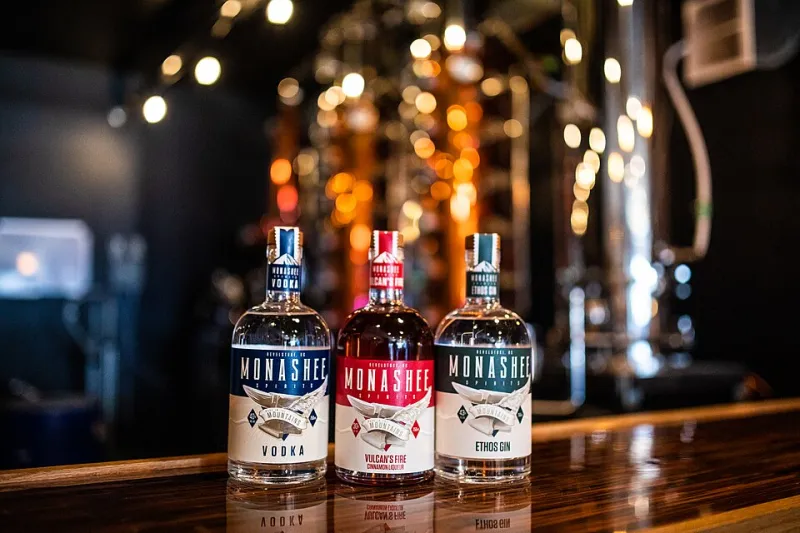
Photo: Joshuamclafferty, CC BY 4.0, via Wikimedia Commons
For a long time, the vodka world had a pretty clear pecking order. If the bottle had a Scandinavian name or a French flag somewhere on the label, it was automatically considered sophisticated. American vodka? That was the stuff for college parties and well drinks. But something has shifted — and it's shifting fast.
Across the country, a wave of small-batch distilleries is quietly, confidently rewriting the rules of what premium vodka looks like. And increasingly, what it tastes like, too.
The Old Guard and Why It's Getting Challenged
European vodka producers have benefited from a kind of inherited prestige. Brands from Sweden, Poland, France, and Russia carried with them centuries of tradition, and American consumers bought into that story — sometimes literally — paying top dollar for imports that traded heavily on geography and legacy branding.
But here's the thing about tradition: it's only as good as the liquid in the bottle. And as American craft spirits started earning serious accolades at international competitions, consumers began asking harder questions. Why are we assuming European automatically means better?
The short answer is: we probably shouldn't be anymore.
What "Small-Batch" Actually Means
The term gets thrown around a lot, so it's worth unpacking. In the vodka world, small-batch production typically means the distillery is working with limited runs — sometimes just a few hundred cases at a time — which allows for obsessive quality control at every stage.
Master distillers at craft operations are often hands-on in ways that large commercial producers simply can't be. They're sourcing local grains directly from regional farmers. They're adjusting distillation runs based on seasonal variations in raw ingredients. They're tasting every batch before it ever sees a bottle.
That level of attention changes the final product. Dramatically.
Distillers working at this scale talk about vodka the way winemakers talk about terroir — the idea that where something comes from, and how it's handled, shows up in the glass. American wheat from the Great Plains, corn from the Midwest, potatoes from Idaho — these aren't just ingredients. They're character.
The Distillation Deep Dive
Vodka's legal definition in the US requires that it be distilled or treated to be without distinctive character, aroma, taste, or color. Critics of the category have long used that definition to argue vodka is inherently boring. Craft distillers would respectfully disagree.
The number of distillation passes, the type of still used — pot still versus column still — and the filtration method all influence the final texture and mouthfeel of the spirit, even if the flavor differences are subtle. Some American producers are now deliberately choosing to distill fewer times, preserving a gentle hint of the base ingredient rather than stripping it away entirely. The result is a vodka with what distillers call "proof of origin" — you can almost taste where it came from.
Filtration is another area where American craft producers are innovating. Traditional charcoal filtration is still common, but some distilleries are experimenting with materials like volcanic rock, crushed diamonds, and even locally sourced materials that contribute to a cleaner, silkier finish.
Why American Drinkers Are Paying Attention
The craft beer and craft cocktail movements did a lot of the heavy lifting here. Once American consumers started caring deeply about where their beer was brewed and who was behind the bar mixing their drink, it was only a matter of time before that curiosity extended to the spirits on the back shelf.
The farm-to-table ethos has gone from a restaurant trend to a genuine consumer value. People want to know the story behind what they're drinking. They want to feel connected to the product. A vodka distilled from heritage grain grown forty miles away, by a team that can walk you through every step of the process, offers something a mass-market import simply cannot: authenticity.
At Killer Queen Vodka, that connection to craft and intention is baked into everything we do. Reigning over every pour isn't just a tagline — it's a philosophy rooted in the belief that premium vodka should earn its place on your shelf.
The Competition Circuit Is Paying Off
If you need hard evidence that American craft vodka has arrived, look at the international spirits competition results from the last several years. US-produced vodkas are consistently medaling against European counterparts that have been in the game for generations. Judges at competitions like the San Francisco World Spirits Competition and the Tales of the Cocktail Spirited Awards have been increasingly recognizing domestic producers.
Bartenders — often the most demanding critics in the room — have noticed. Many of the country's top cocktail programs now feature American craft vodkas prominently, not as a novelty or a "local option," but because the quality genuinely stands up.
What to Look for in a Premium American Vodka
If you're ready to explore what domestic craft vodka has to offer, here are a few things worth paying attention to:
Source ingredient transparency. Does the brand tell you what the vodka is made from and where it comes from? That openness is usually a good sign.
Distillation method. Look for brands that are upfront about their process. Pot stills tend to produce a richer, more textured spirit. Column stills create a cleaner, lighter profile. Neither is inherently better — it depends on what you're after.
Filtration approach. Heavy filtration can mean a very neutral spirit. Lighter filtration often means more character. Know your preference.
Mouthfeel and finish. A premium vodka should feel smooth without being flat. There should be something happening on the palate — a warmth, a subtle sweetness, a clean finish that lingers just long enough to make you want another sip.
The Crown Is Up for Grabs
The American craft vodka movement isn't about rejecting European tradition — it's about proving that great vodka doesn't require a passport. It requires intention, quality ingredients, and the kind of care that only comes when a small team of dedicated people is genuinely invested in the outcome.
The best American distillers aren't trying to out-European the Europeans. They're doing something more interesting: they're making vodka that couldn't come from anywhere else. And that, in the end, is exactly what makes it worth raising a glass to.
The throne has always been there. American craft distillers are just finally sitting down in it.